Category: 21st Century Campers
-

How to Charge Your RV’s Batteries – 12 Volt DC Electrical Power Sources
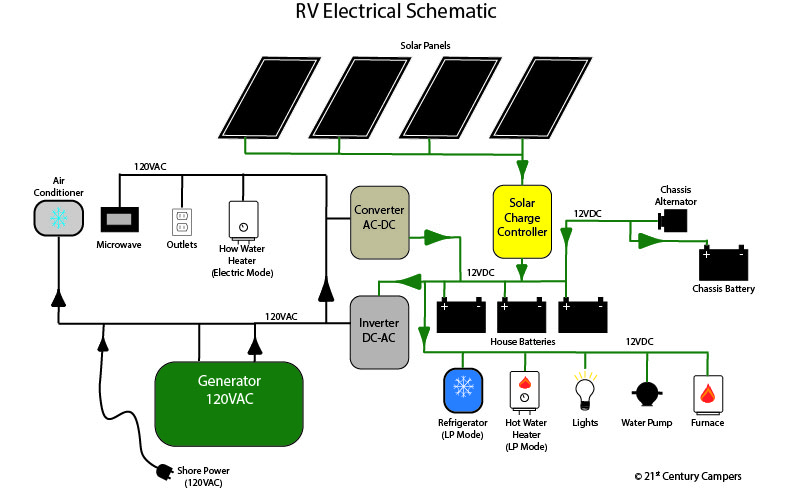
There are three sources of 12 volt DC power in most recreational vehicles, the chassis alternator, the converter, which converts 120 volt AC shore power to 12 volt DC power and in some cases solar panels. All provide power to run lights and other devices when they’re available as well as to charge batteries for…
-

Storing Your Electrical Energy – RV Battery Power Explained
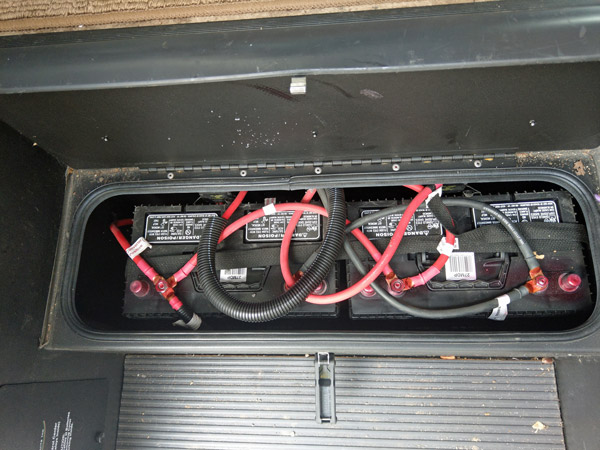
Batteries don’t create electric power, they store it, much like the gas tank in your car holds gasoline to power it. This means you can turn on lights or run devices like fans or a TV even when not plugged into a power source. The alternator in your tow vehicle or chassis, solar panels or…
-

Power for Your Palace – 120 Volt RV Electrical Power Explained
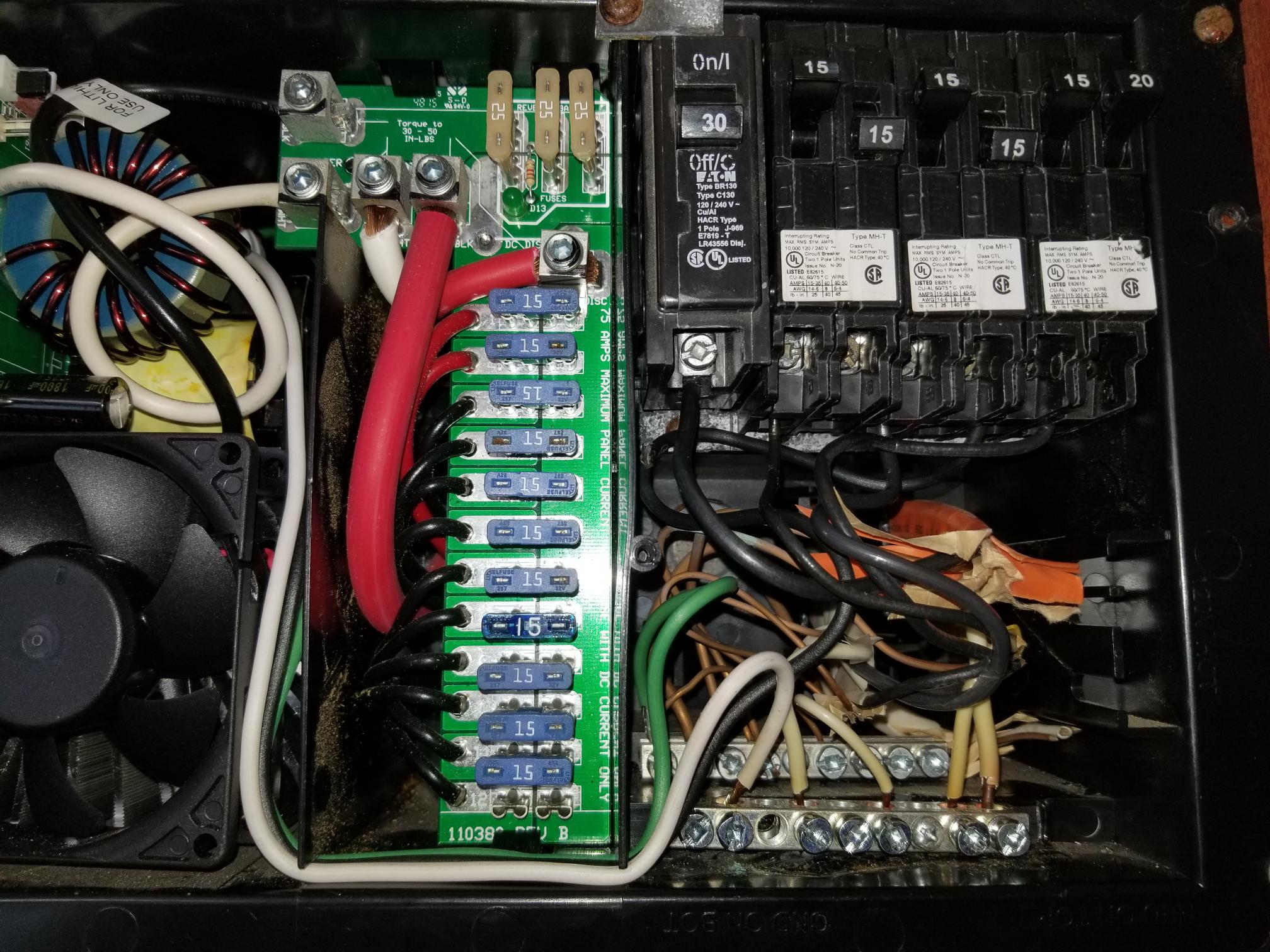
There are two types of electricity in a recreational vehicle, 120 Volt AC power (just like your house) and 12 Volt DC (battery) power. This article will focus on the 120 Volt AC systems. The 120VAC system in a motorhome or trailer works essentially the same as that in your home with the exception of…
-

RV Electrical Basics Explained
Electricity powers most of the devices in an RV – lights, appliances, the furnace controls and monitoring systems. Most RVs have separate interconnected electrical systems, 12V DC (battery power) for lights and smaller appliances and 120V AC (shore power) systems for air conditioning, battery charging and larger appliances, making them a bit more complicated than…
-

Great Hikes in Yellowstone National Park: Fairy Falls & Imperial Geyser
An easy 2.5 mile hike along mostly level ground. In addition to the falls, you can choose to continue on a mile or so to a couple of neat geysers.
-